

Direct sponsorship – The Perspective of Institutions and Employees

Direct sponsorship – The Perspective of Institutions and Employees

India is a country with an enormous capacity for assimilation. One hundred thousand Tibetans could easily have been absorbed, but instead, every Tibetan exile settlement has become a small island of Tibetan culture. Distinctive prayer flags fluttering above the rooftops and around stupas, temples and rituals, songs and traditional clothing, the language, and a community-specific calendar centered on the Tibetan way of life.

The cradles of Tibetan culture have been facing challenges for six decades.

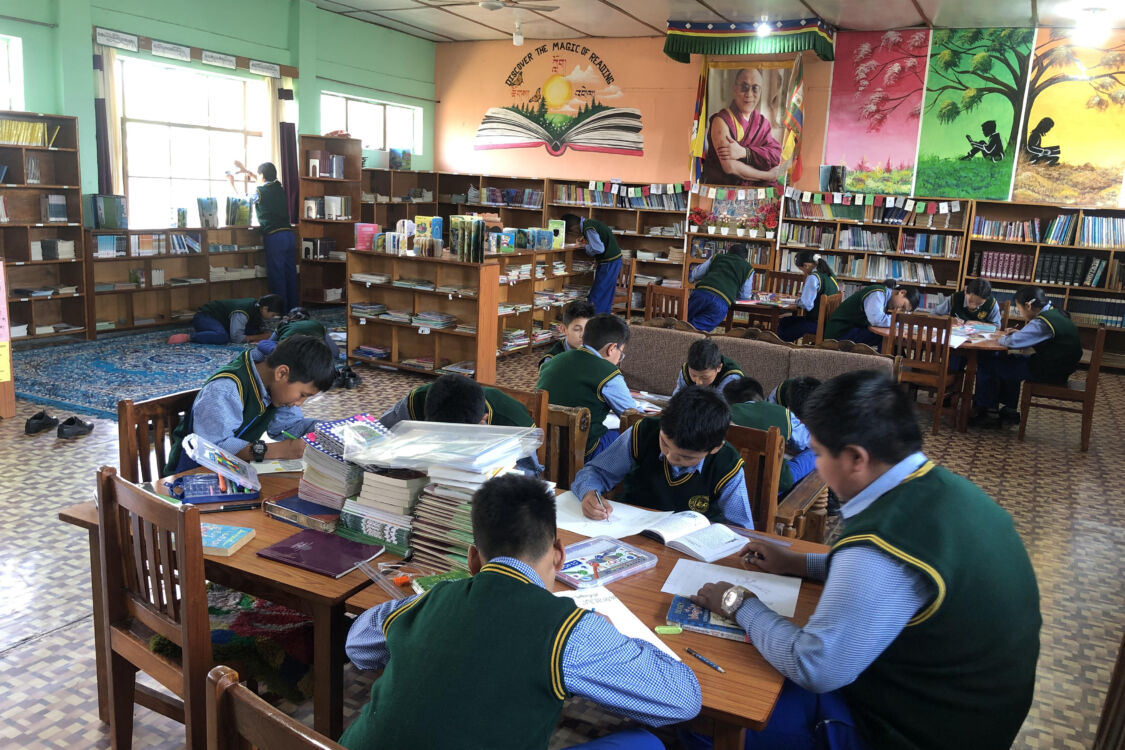
The Tibetan Homes Foundation (THF) and the Tibetan Children’s Village (TCV) are not merely educational institutions and Tibetan exile SOS villages. They are a functioning civilization in exile, functioning integrated communities. No other refugee group in the world has built anything comparable in terms of preserving language, culture, institutions, and education within a single system.

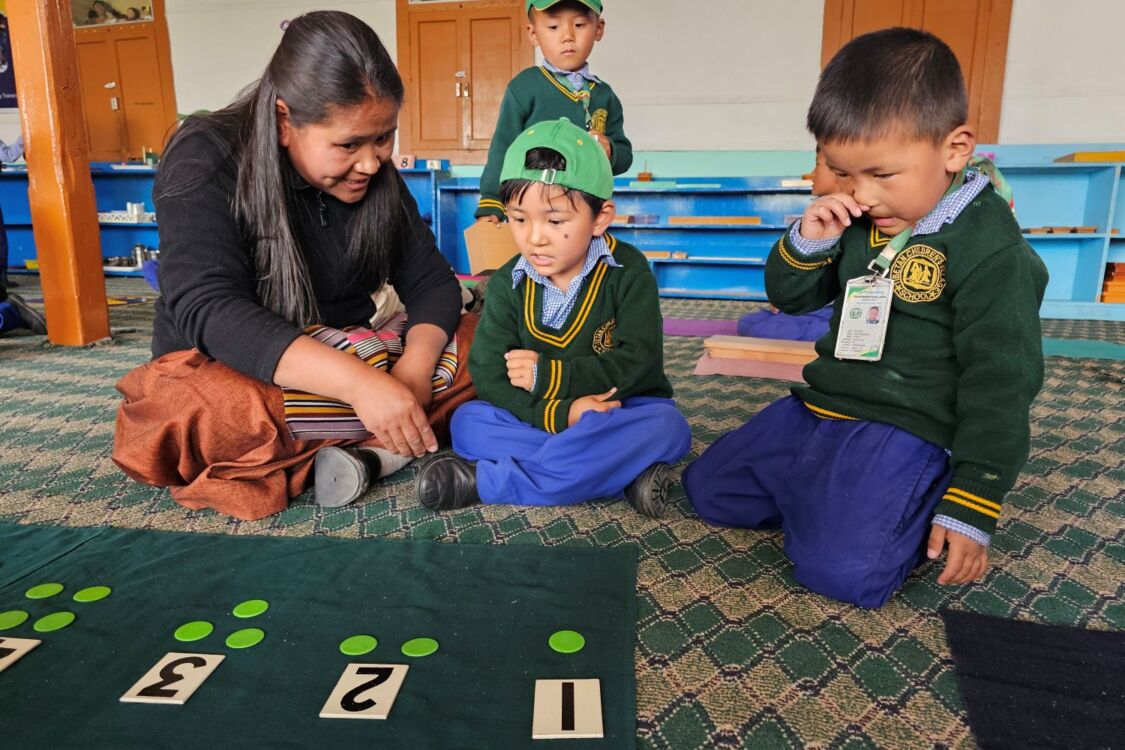
In 2009, TCV opened the first Tibetan university in exile in Bangalore (The Dalai Lama Institute for Higher Education), offering instruction in the Tibetan language, culture, science, counseling, and information technology. The Tibetan exile education system covers the entire educational spectrum: from preschool through university.

A system that replicates a family.

The Tibetan exile community represents a unique model. Generations of Tibetan children born in exile have the opportunity to receive a high-quality education within the context of a deeply integrated national identity. In the large THF and TCV institutions, children have a supportive environment, education, safety, guidance, food, shelter, health care, and a deeper sense of purpose, including a very strong and universal value system. For many of them, this is the only stable home they have ever known.

SOS Villages consciously build substitute family structures where the biological family cannot be present. Group homes with foster mothers, older children caring for younger ones, and shared rituals and celebrations are all part of the overall concept of caring for future generations. The staff at these homes perform a vocation that knows no set working hours. Foster parents devote years of their lives to children they believe in and in whom they see the future of the Tibetan nation.

A system that reproduces itself.

More than 35,000 children have passed through the TCV system, receiving an education and a family-like environment. Of TCV’s total staff of 1,317, 65% are current graduates of the program.

The employees feel a strong commitment to their community, to the children, and to the entire exile system. They have experienced firsthand its vital importance and the support that has played a key role in shaping their life paths.

A Living Language as a Collective Act

The Tibetan diaspora has mobilized over 200 linguists from monasteries, community organizations, and various schools to collaborate on a monumental linguistic project that would not have been possible without collective will and cohesion: the so-called Great Tibetan Dictionary, “Monlam.” The language is not only taught but is also actively being developed and codified for future generations.

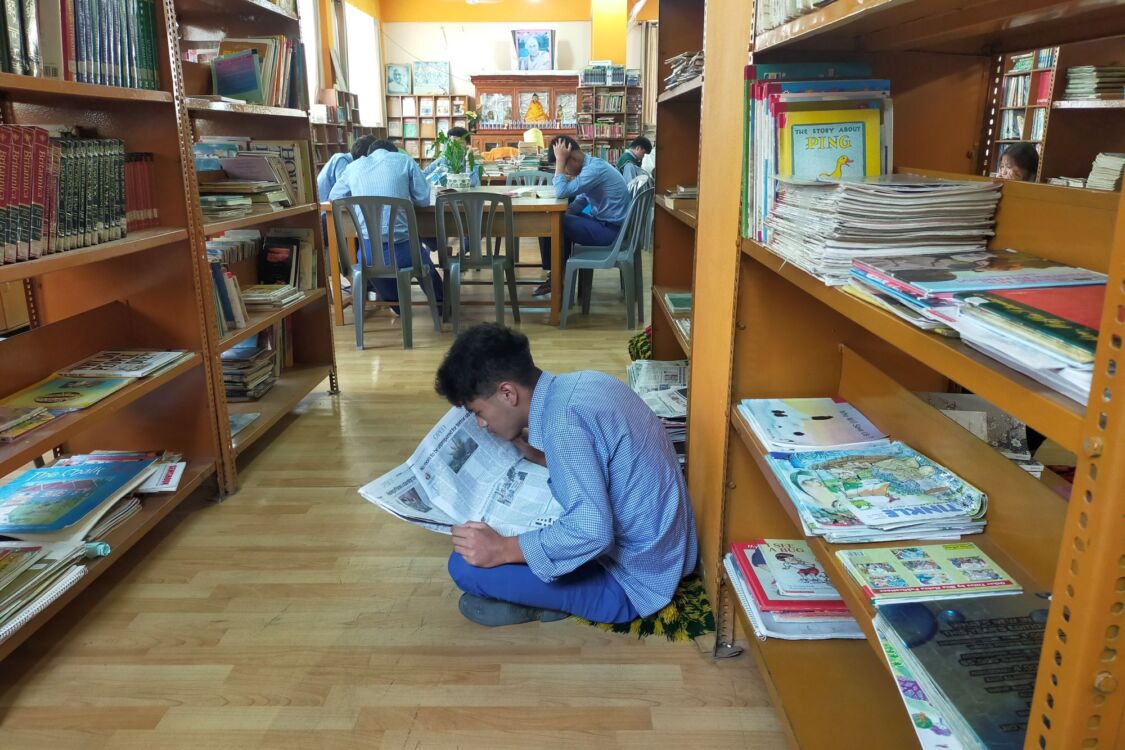
For children born in exile, Tibetan is more than just a tool for communication. It is a bridge to their ancestors, to their stories, and to who they are. Every Tibetan language class at school is an act of cultural perseverance. Exile institutions play a key role in a period that may or may not be transitional. This is a unique initiative by the Tibetan government-in-exile, as no other such complexes preserving cultural identity and values exist anywhere else in the world.

What Makes the Tibetan Model Unique

The literacy rate among Tibetans in exile is higher than the Indian national average, which is an unprecedented achievement compared to other refugee communities around the world. (Cultural Survival)

(Cultural Survival)

A Unique Exile Model

Today, the academic community is examining the Tibetan model as a source of inspiration for alternatives to refugee camps and detention centers, with an emphasis on how the Tibetan community has managed to build a functional system for preserving its language, culture, and institutions under conditions of long-term exile. The Tibetan exile community in India offers inspiration for refugee policy in general. (DOI)

Inspiring Profile: “When hearts beat for others, the community thrives.”

The motivation of employees at Tibetan institutions to work hard for the well-being of the entire community—even at the expense of their own comfort—is remarkable. It stems from an understanding of interdependence. Our donors, who care about people on the other side of the world, are a key factor motivating many Tibetan partners to give their all. For Tibetans, the living example set by the 14th Dalai Lama, who devotes himself wholeheartedly to activities promoting world peace, is also very important.

Institutions such as THF and TCV have provided young Tibetans with a comprehensive foundation that has enabled them to embark on their lives to the fullest of their potential. A solid moral foundation leads young, educated Tibetans back to serving their community—both the younger and older generations.

Dr. Kalsang, a young dentist, has been providing dental care to more than 1,500 people across the campus for many years. We supported his practice by purchasing a radiovisiograph for taking X-rays. His work is very demanding due to the large number of patients and limited resources. However, he has decided on his own to selflessly serve the community for at least as long as the community has cared for him. He will remain here for a few more years, even though this means a personal sacrifice in the form of separation from his beloved wife.

He says that his work brings him great meaning and fulfillment, but at the same time, it is challenging to convince non-medical staff of his needs and methods. Nevertheless, he is fully committed to the institution.

His wish for the Tibetan children is that even if they cannot do great things, small acts of kindness toward those closest to them are also valuable. And if they cannot help, at least do not harm – this I wish sincerely from my heart.

Join us in action

Together we make a change!

Newsletter