Direct sponsorship – the domestic and exile perspectives

Direct sponsorship – the domestic and exile perspectives

A nation without a territory, a nation with a strong identity

The Tibetan exile represents a unique historical phenomenon. It is the story of a large community that, even after decades of separation, has managed to preserve its language, culture, and institutions. It is an expression of a conscious choice not to succumb to oblivion and to preserve the national heritage despite adversity. For us Czechs, with our own history, this attitude is remarkably familiar.

The Tibetan exile government is probably the most sophisticated stateless democratic institution in history.

The Harvard Kennedy School considers the Tibetan democratic experiment so exceptional that it sees it as a valuable source of lessons for Western democracies themselves. (Harvard Kennedy School)

What Makes the Tibetan Government-in-Exile Unique

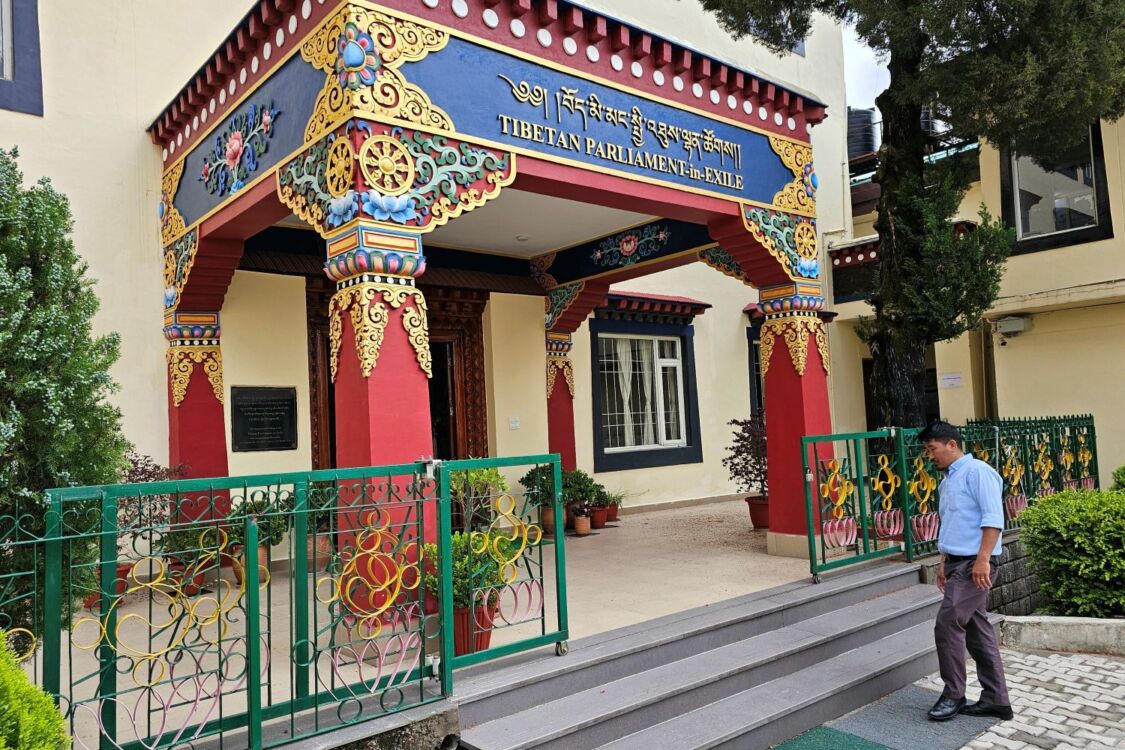
Elections to the Tibetan Parliament are being held simultaneously in 27 countries around the world (excluding China). This is a completely unique electoral system without parallel – elections to the legislative body of a state that does not, in fact, exist on its own territory. (The Manila Times)

The academic community considers the Tibetan government-in-exile to be one of the most developed political structures in the world. Its system is based on the solid pillars of legislative, executive, and judicial power, with administration handled by seven ministries. The foundation of this structure is the Charter of Tibetans in Exile, under which Tibet has functioned as a fully-fledged participatory democracy since 1991. (ScienceDirect)

Although the exile government lacks territorial sovereignty and armed forces, it maintains a comprehensive state structure. It has its own ministries (e.g., finance, education, and health) and operates 13 international offices that serve as semi-official diplomatic missions abroad. (National Endowment for Democracy)


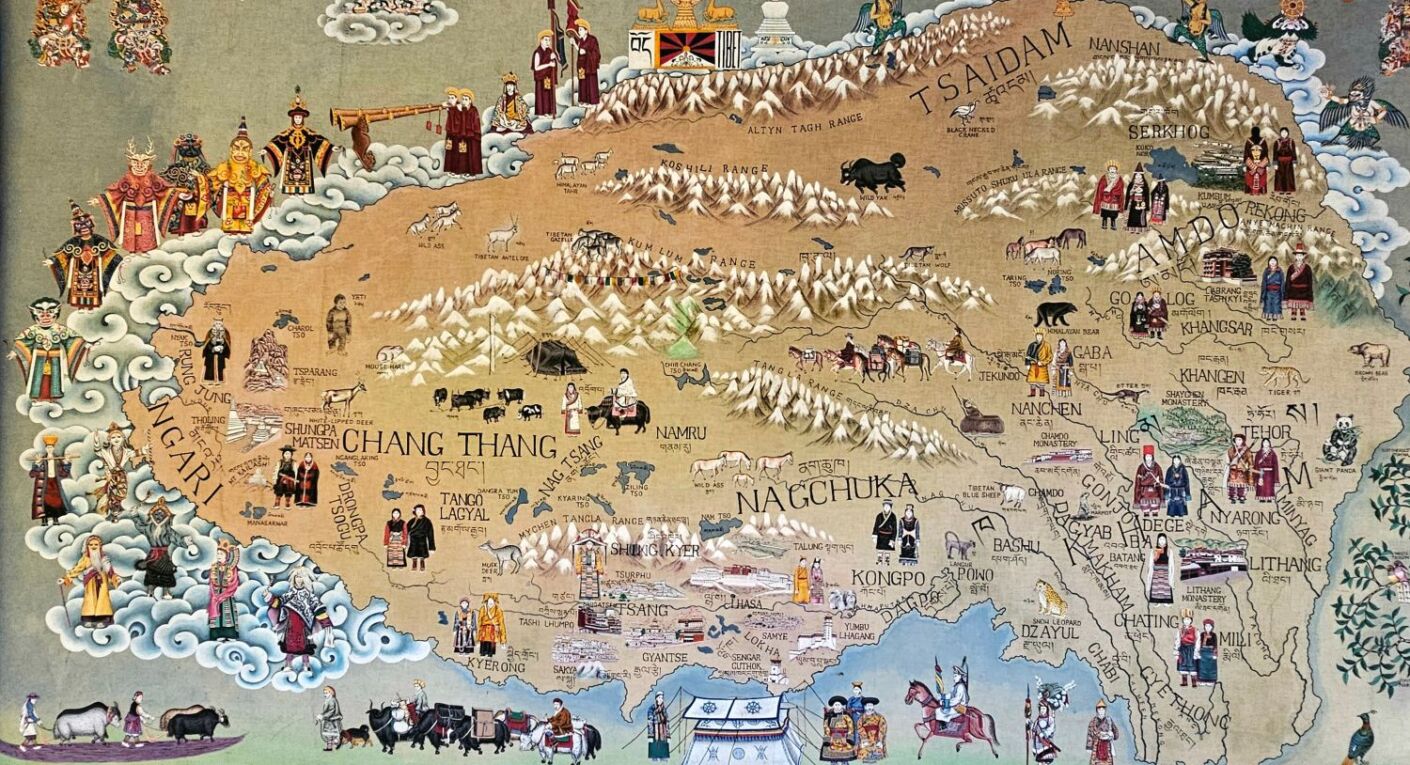
A nation without territory, a state without borders

The Tibetan exile government in Dharamsala functions as a fully democratic institution – even though it governs a stateless nation. This is proof that a nation and its culture can survive even without a territory.

Parallels exist around the world, but they are limited

Although certain parallels exist around the world, they are considerably limited when compared to Tibet. The closest analogy is the Palestinian Authority, which, however – unlike the Tibetan government – operates within a specific territory. While the Kurdish diaspora has well-developed cultural institutions, it lacks a unified representation in exile.

Service out of love that holds the nation together

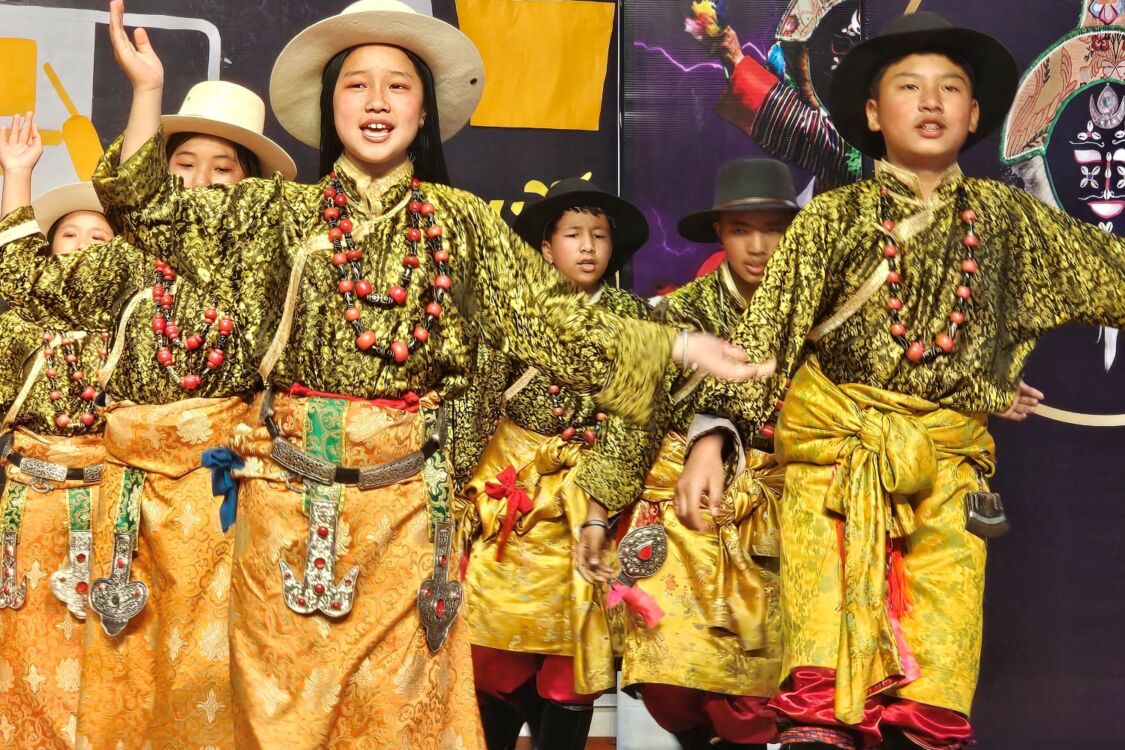
The THF and TCV exile villages are today the only places in the world where Tibetan culture truly thrives – not as a museum exhibit, but as an everyday reality. Children here grow up speaking Tibetan, with Buddhist values in their hearts, and with an awareness of who they are and where they come from. A modest yet thorough passing down of identity, language, and spiritual tradition from generation to generation, despite everything.

Tibetans who leave for the West today find better living conditions, but at the same time they enter a world where their cultural roots are irrevocably fading away. Their children speak English or German, but the Tibetan language remains distant to them.

The exile villages are the last living bridge between a centuries-old civilization and the future of the Tibetan people. And we marvel at how many staff members, even after two decades, still choose to serve their community over their own personal happiness. Some live apart from their families and partners; others turn down lucrative jobs in the comforts of the Western world to stay in India and care for the community of Tibetan children.

Most Pro Tibet

Solidarity is more than just a word. Tibet in exile inspires the world.

Who can I support?

Join us in action

Together we make a change!

Newsletter