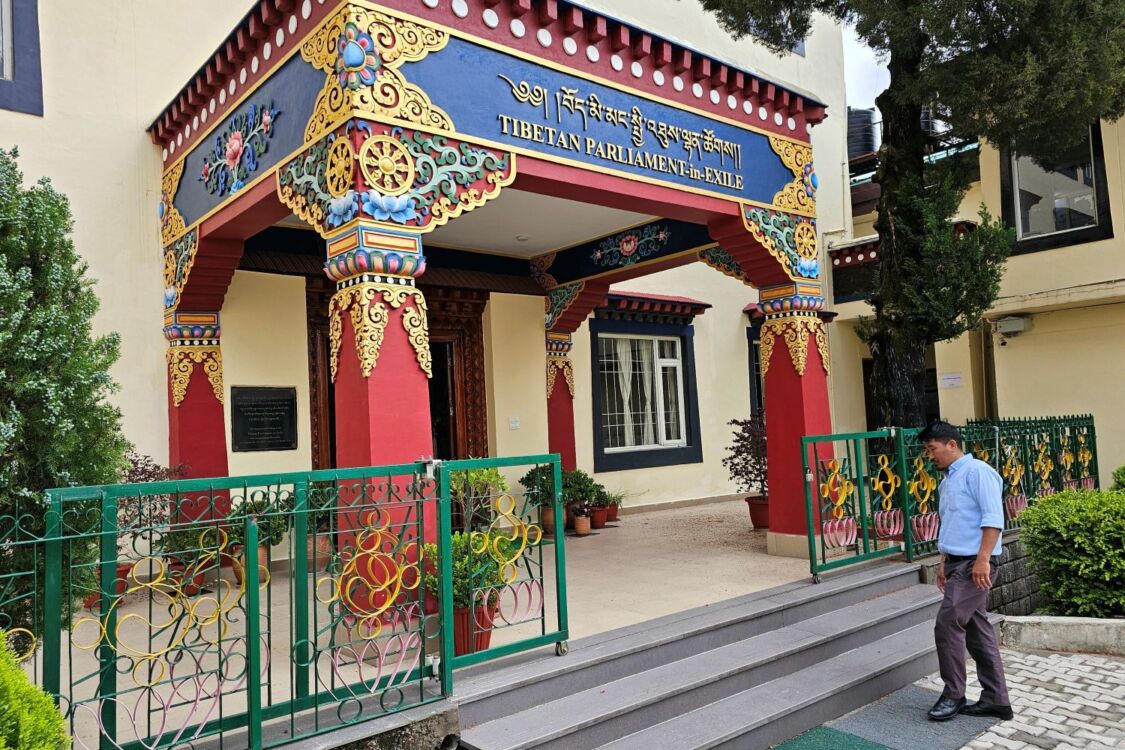
What Makes the Tibetan Government-in-Exile Unique
Elections to the Tibetan Parliament are being held simultaneously in 27 countries around the world (excluding China). This is a completely unique electoral system without parallel – elections to the legislative body of a state that does not, in fact, exist on its own territory. (The Manila Times)
The academic community considers the Tibetan government-in-exile to be one of the most developed political structures in the world. Its system is based on the solid pillars of legislative, executive, and judicial power, with administration handled by seven ministries. The foundation of this structure is the Charter of Tibetans in Exile, under which Tibet has functioned as a fully-fledged participatory democracy since 1991. (ScienceDirect)
Although the exile government lacks territorial sovereignty and armed forces, it maintains a comprehensive state structure. It has its own ministries (e.g., finance, education, and health) and operates 13 international offices that serve as semi-official diplomatic missions abroad. (National Endowment for Democracy)